

Seerist

Q2 2026 Security Incident Report

Over the past quarter, Seerist's intelligence team verified more than 39,000 global security events across conflict, unrest, terrorism, and violent organized crime.

This report distills that activity into a focused view of how risk is shifting, including 6,094 verified war events in Lebanon since March and a 180% surge in unrest in Bolivia, plus what to monitor in Q3.

Inside this quarter's report

  • Key elections and events to monitor heading into Q3
  • The fragile Lebanon-Israel ceasefire and the surge in verified war events
  • Bolivia's fuel-driven unrest crisis and a 180% quarterly spike in protests
  • Indonesia's student-led demonstrations over rising fuel prices

Q2 2026 · Notable verified events

Conflict/MilitaryTerrorismUnrestCrime All 28 events ↓

Executive Summary

Unrest

Middle East & North Africa

Verified unrest events in the MENA region declined by over 28% from Q1 to Q2, following a 24% decline from Q4 to Q1. The decrease was largely driven by reduced unrest in Iran and Israel during the US-Israel-Iran war. In Iran, unrest declined nearly 67% from March to April but rebounded after hostilities ended, rising 133% from April to May and 196% from May to June, though June levels remained 63% below February. Elsewhere, unrest fell 45% in Bahrain and nearly 34% in Iraq, remained stable in Yemen, and increased 99% in Syria amid cost-of-living and governance challenges.

Verified Unrest Events in MENA, Q1–Q2 2026
Q1 2026Q2 2026
0100200300400500BahrainIranIraqIsraelLibyaMoroccoPalestinian TerritoriesSyriaTunisiaYemen

Americas

The Americas region saw a 16.9% quarterly fall in verified unrest events, driven by a sharp decline in the US (-48.3%), where the number of unrest events fell in the absence of ‘No Kings’ protests against the administration of US President Donald Trump. We recorded notable increases in Argentina (112.4%), Bolivia (179.1%), and Mexico (25.2%). In Argentina, state workers went on strike and held protests across several provinces, demanding a new collective contract. In Bolivia, anti-government protests occurred nationwide, with major roads and highways blockaded, leading to a 90-day state of emergency. In Mexico, unionized education workers held daily protests, blockades, and sit-ins, capitalizing on the spotlight from the start of the FIFA World Cup.

Verified Unrest Events in Argentina, Bolivia, Mexico and US, Q1–Q2 2026
Q1 2026Q2 2026
05001000150020002500ArgentinaBoliviaMexicoUnited States

Africa

Unrest events in Africa fall by 9% from Q1 to Q2. In Senegal, verified unrest events dropped by 52% as protests related to the education sector and sit-ins outside universities declined. Nigeria reported a 30% decrease due to a reduced number of protests targeting the government sector, but protest activity is likely to be sustained by continuing insecurity and political tension. Meanwhile, in South Africa, unrest events increased by 9%, driven by anti-immigrant sentiment and ongoing service delivery protests against the government. Anti-immigration sentiment and broader socioeconomic grievances will likely drive further localized yet disruptive incidents.
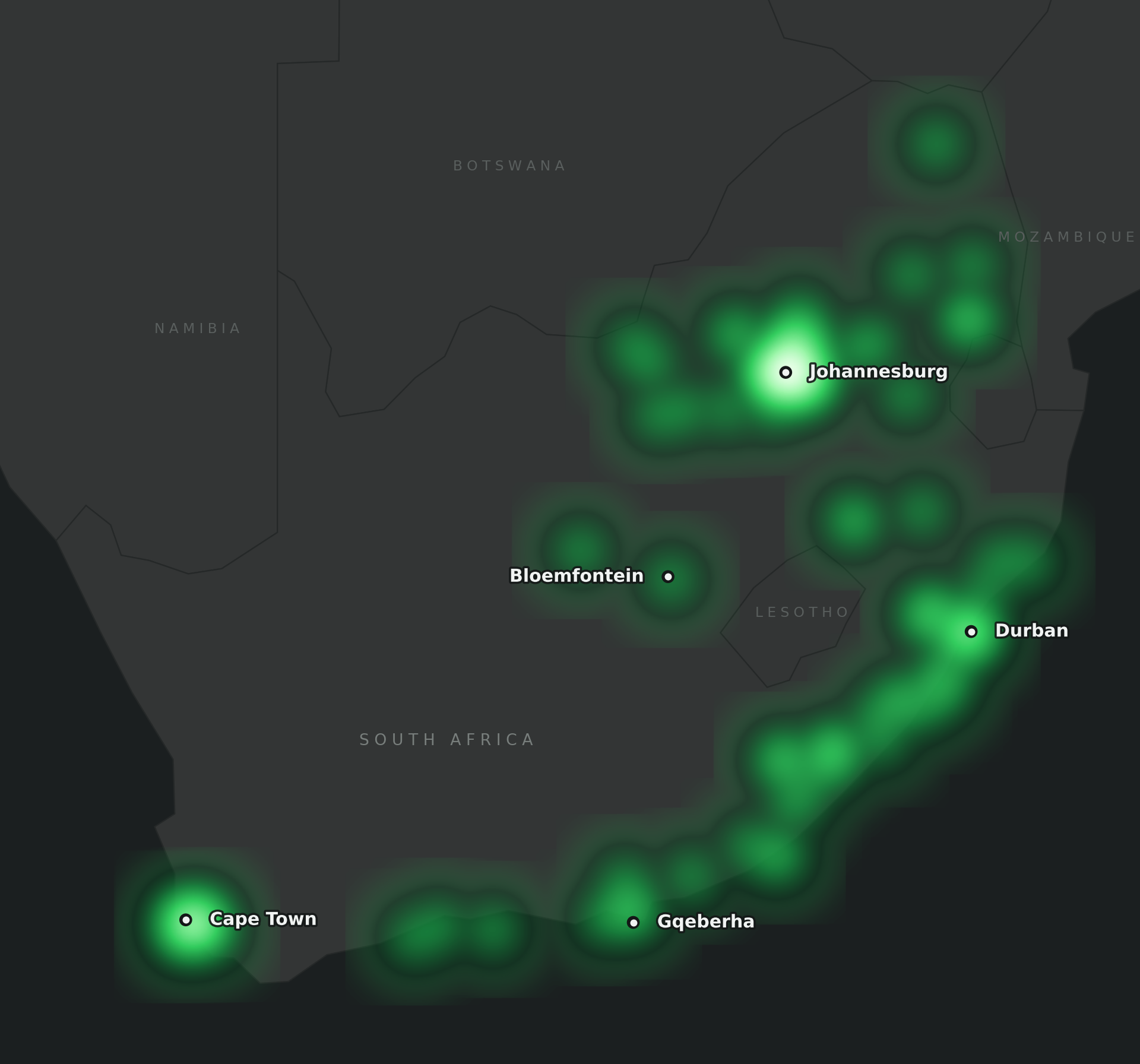
Heatmap of verified unrest events in South Africa, Q2 2026
Verified unrest events in South Africa, Q2 2026

Asia and the Pacific

Verified unrest events declined by 6.5% in Q2. India remained the largest contributor despite a 16% decrease. Despite the regional downturn, a spike in unrest was observed in the Philippines, Indonesia, and South Korea. In the Philippines, a second union-led transport strike took place across 11 cities on 15 April to protest higher fuel taxes and oil prices. In Indonesia, nationwide demonstrations over fuel prices escalated into student-led anti-government protests in mid-June. Meanwhile, in South Korea, protests were held on 10 June over ballot shortages during the 3 June local elections. Continued uncertainty over the reopening of the Strait of Hormuz is likely to disrupt energy supplies, and fertilizer and food exports to the region, sustaining the risk of unrest driven by rising fuel prices and reduced affordability of basic commodities into Q3.

Verified Unrest Events related to Oil and Gas, Jan–Jun 2026
0255075100JanFebMarAprMayJun
Amber marks flag fuel-price protest spikes: 17 Mar Philippines · 15 May India · 10 Jun Indonesia.

Europe

Europe saw a 15.8% quarterly fall in unrest events in Q2. Germany accounted for the largest share (25.2%), followed by France (16.3%) and Italy (10.6%). Germany saw a 20% fall compared with Q1, with unrest still driven by sustained strikes across transport, telecom, and retail sectors, alongside recurring pro-Palestine demonstrations in Berlin and Munich. Unrest in France, Italy, Belgium and Spain were also mainly driven by labor unrest. Italy saw a 28% quarterly increase; unrest levels in Belgium and France were largely stable; and Spain saw a 45% drop in recorded unrest events. Albania saw a significant rise in unrest, with protests against a luxury tourism project in a protected landscape escalated to widespread anti-government unrest.
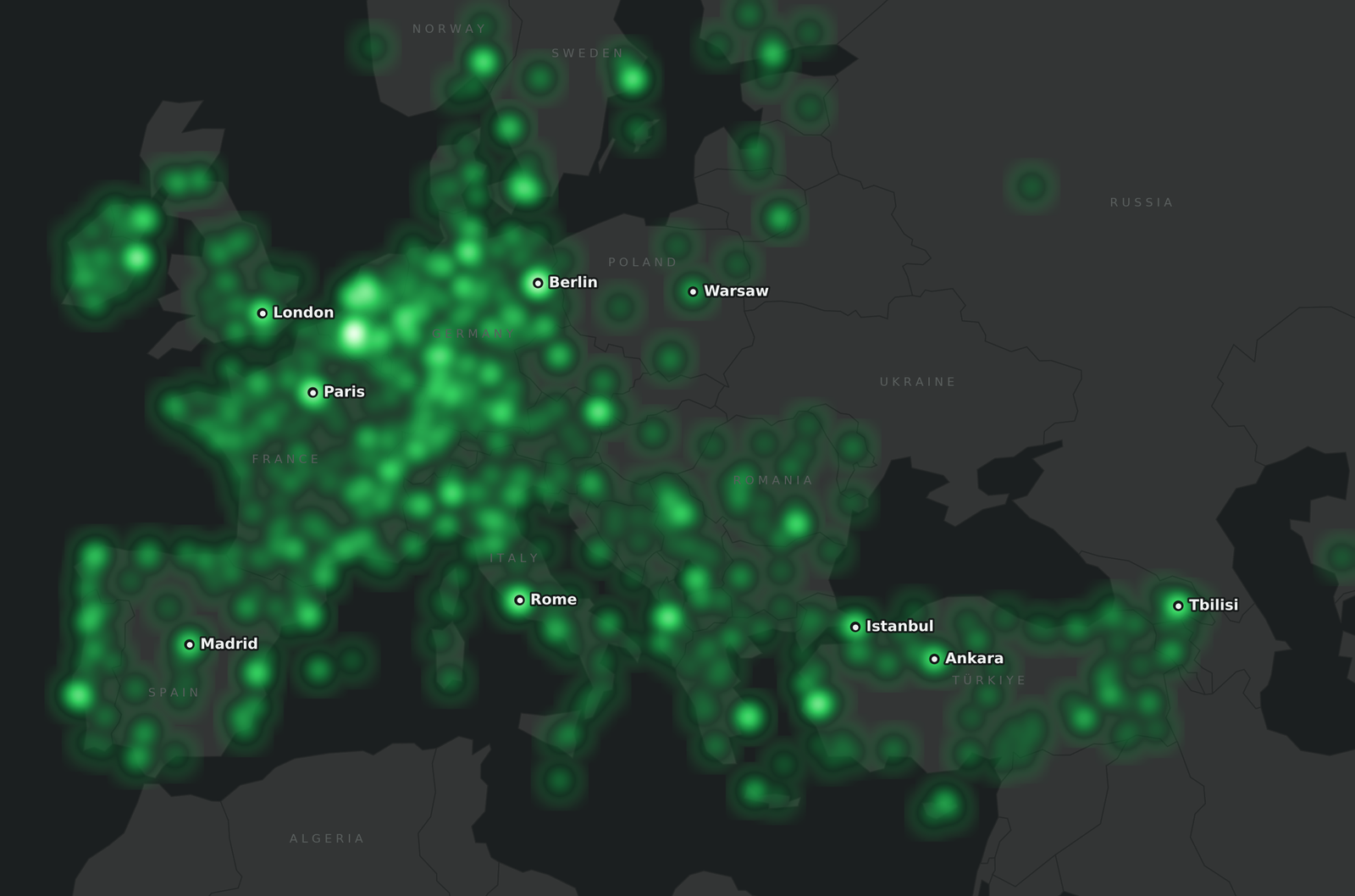
Heatmap of verified unrest events in Europe, Q2 2026
Verified unrest events in Europe, Q2 2026

War

Middle East & North Africa

Verified war events in the MENA region increased 14% from Q1 to Q2, on top of a more than 200% increase from Q4 2025 to Q1 2026 during the US-Israel-Iran war. Lebanon recorded the most conflict events, increasing nearly 90%, followed by Israel, up 3%. Meanwhile, war events declined 33% in the Palestinian Territories and 50% in Iran. In Lebanon, conflict peaked at 1,903 events in March, with levels sustained to the 16 April ceasefire, continuing at a reduced rate until the 19 June ceasefire, after which levels dropped significantly. In Iran, war events surged to more than 675 in March before decreasing 55% in April as hostilities dwindled.

Americas

In Q2 2026, war events decreased by 7% in the Americas. More than 90% took place in Colombia, which saw a 15% increase. The Colombian government continued to target leftist guerrillas, carrying out a bombing in Norte de Santander department in May that killed seven National Liberation Army (ELN) combatants. President-elect Abelardo de la Espriella's proposed security strategy, including intensified military operations, will likely result in continued clashes with FARC dissidents and ELN militants in coming months. De la Espriella’s heavy-handed militarization approach is likely to trigger retaliatory attacks from armed groups with increased intent to stage terrorism and sabotage attacks in conflict hotspots and major cities.

Americas Verified War Events by Attack Type, Q2 2026
Gun (firearm)3079%
Drone821%
IED / Homemade821%
Airstrike38%
Arson / Firebomb25%
Grenade25%
Bars show event counts; % is share of events. Some events involve multiple attack types, so shares exceed 100%.

Africa

War events in Africa fell 14% in Q2. In South Sudan, verified conflict events declined 75% amid a slowdown in operations by the South Sudan People's Defense Forces (SSPDF) against the Sudan People’s Liberation Movement-in-Opposition (SPLA-IO) and ethnic Nuer White Army militia. Sudan recorded a 24% decrease in verified war events and fighting will likely ease over the coming months as the rainy season disrupts military operations. However, Mali recorded a 144% rise in verified war events as nationwide clashes between militants, separatists and security forces persisted following coordinated attacks on strategic towns across northern, central and southern Mali on 25 April. Militants have struck strategic towns such as Gao and Kidal, and blockaded the capital, Bamako, leading to escalating war and terrorism risks.
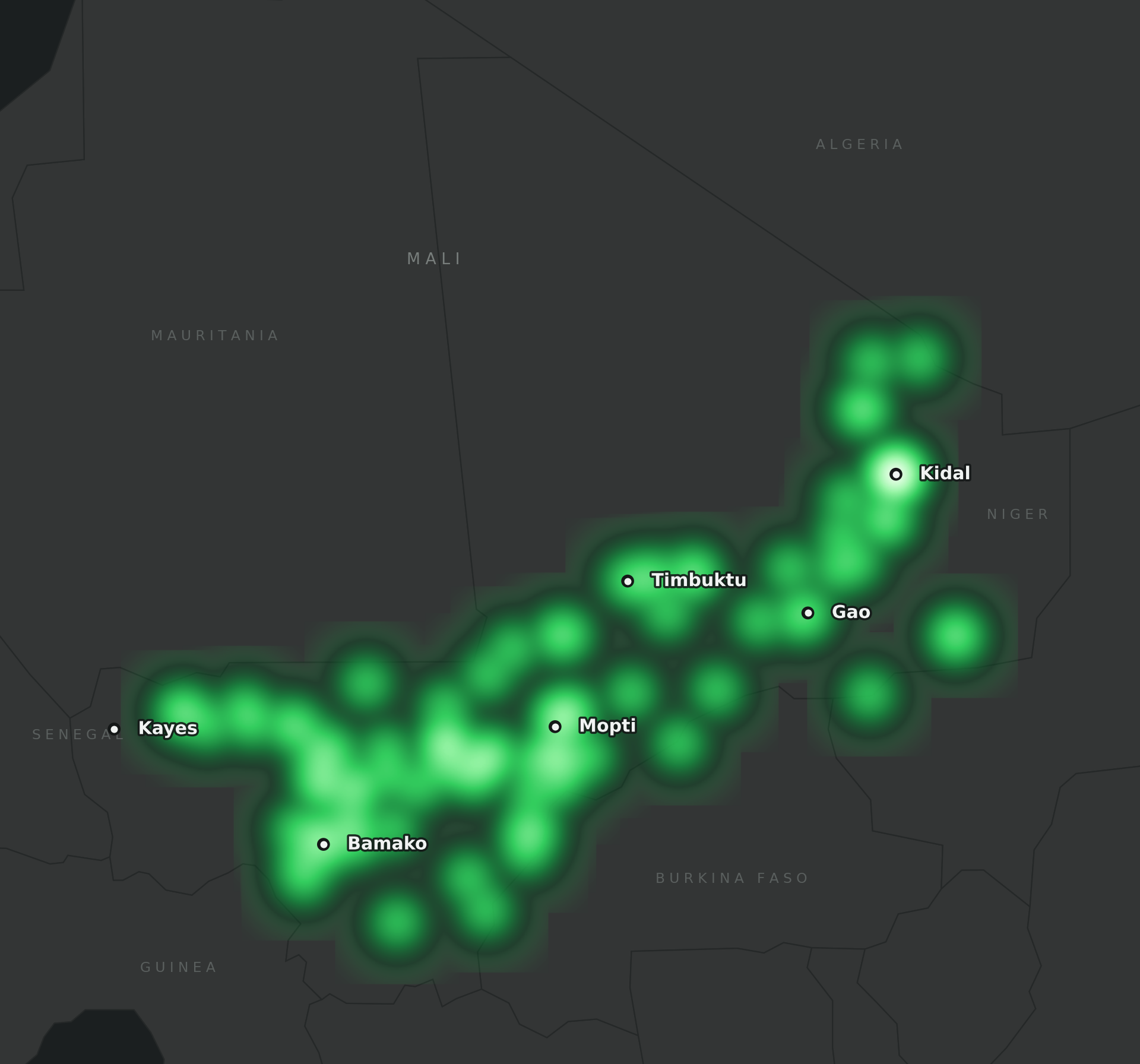
Heatmap of verified conflict events in Mali, Q2 2026
Verified conflict events in Mali, Q2 2026

Asia and the Pacific

The APAC region recorded an 11.9% quarterly decline in verified war events, driven primarily by falls in India (72%), Afghanistan (28%), and Pakistan (27%). Myanmar recorded a 7% decline but continued to account for 62% of regional war events. Fighting remained concentrated in Sagaing Region, Magway Region, and Rakhine State, while Chin State emerged as a more active front as regime forces sought to regain control of the Kalay–Tamu section of the India–Myanmar–Thailand (IMT) Highway. Border tensions between Pakistan and Afghanistan escalated on 28 June, when Pakistani retaliatory airstrikes on Afghanistan reportedly killed 30 people and injured 158 others in Mandokhail village, Paktia Province. Separately, Taiwan recorded a 17.2% rise in Chinese military aircraft incursions across the median line of the Taiwan Strait.

War events in APAC by country, Q1–Q2 2026
Q1 2026Q2 2026
0125250375500AfghanistanIndiaMyanmarPakistanOthers

Europe

Seerist recorded a 5.1% fall in War events in Ukraine, following a 1.9% increase in Q1. War events in Russia rose 21% in Q2, after increasing 6.9% in the previous quarter. Ukraine has achieved greater targeting autonomy through domestically produced cruise missiles, successfully striking high-value facilities deep inside Russia. Russia’s ground offensive in the Donetsk region has yielded incremental gains. Diplomatic efforts remain stalled. Meanwhile, drone incursions and suspected sabotage events intensified across Europe in Q2, with unidentified drones forcing temporary shutdowns of Helsinki and Munich airports. In France, a drone factory near Toulouse that supplies Ukraine was targeted with Molotov cocktails. Authorities are investigating possible Russian involvement, reflecting a broader pattern of low-cost, hard-to-attribute threats against critical infrastructure and defense-industrial targets tied to support for Ukraine.

Verified War Events, Ukraine and Russia, Q4 2025 – Q2 2026
UkraineRussia
025005000750010000Q4 2025Q1 2026Q2 2026

Terrorism

Middle East & North Africa

Syria in Q2 accounted for the region’s most significant terrorism activity outside ongoing conflicts due to high-impact urban attacks in Damascus. Major incidents included a 19 May car bomb at the Ministry of Defense that killed 24 people. These attacks are increasingly linked to Saraya Ansar al-Sunna (SAS), which targets state symbols and foreign diplomatic engagements to disrupt the political transition. Islamic State (IS) activity continues in northeastern Syria. Despite US-supported strikes and improved state capacity, militant groups retain the intent and capability to conduct sporadic, high-casualty operations against government forces, religious minorities, and foreign delegations.

Americas

There was a slight rise in terrorism events in America from Q1 to Q2 2026. Chile recorded five events related to sporadic incendiary attacks by Mapuche activists against forestry companies. Colombia accounted for 92% of the region's terrorism events, with attacks continuing to be linked to active FARC dissident factions and National Liberation Army (ELN) members operating across the country. Notable incidents include an attack in Cajibío, Cauca department, where FARC dissidents detonated an IED on a bus, killing 19 people and injuring 48 others.

Americas Verified Terrorism Events by Attack Type, Q2 2026
IED / Homemade38
Gun (firearm)26
Drone22
Others10
Arson / Firebomb9
Car Bomb3

Africa

Terrorism events in Africa dropped by 48% in Q2 compared with Q1 2026, driven by decreases in Mali and Niger. In Mali, militants predominantly focused on capturing territory and degrading military strength rather than on terrorism attacks. Fighting will be periodic and unpredictable in the coming months, with military setbacks undermining the stability of the junta. In Niger, attacks by Islamist militant groups mainly targeted the military, culminating in a JNIM attack targeting the Diori Hamani International Airport in the capital Niamey on 18 June. Militants will continue to target security infrastructure in areas surrounding the capital as their activities have become entrenched in the western region, encircling Niamey. In the Sahel, escalating militancy will sustain extreme regime instability and terrorism risks in the coming months.

Africa Verified Terrorism Events by Islamist Extremists by Target Sector, Q2 2026
Military165
Private Property98
Other12
Government10
Law Enforcement / Legal8
Retail8
Public Spaces6
Religious5

Asia and the Pacific

Verified terrorism incidents in APAC decreased by 8.8% from Q1 to Q2 2026. While most countries recorded a decline, Thailand saw a 32.4% increase, driven by a rise in insurgent and militant attacks in the south. Attacks on private property were up 19%, and was the most targeted sector in Asia in Q2. In contrast, attacks against military targets declined from a 40.9% share in Q1 to a 28.5% share in Q2. The threat from nihilistic violent extremism is increasing across Southeast Asia, particularly among younger radicalized actors. Threats from transnational Islamist extremist groups and localized insurgencies remain elevated, including a volatile environment in Afghanistan ahead of the fifth-year anniversary of Taliban’s return to power in August 2026.

APAC Terrorism Verified Events by Selected Target Sectors, Q1–Q2 2026
Q1 2026Q2 2026
020406080MilitaryPrivate PropertyLaw Enforcement / Legal

Europe

Terrorism activity across Europe stayed low in Q2. The UK saw three incidents spanning distinct threat types: suspected New IRA militants detonated a car bomb outside Dunmurry police station, Belfast (no casualties); an Edinburgh stabbing injured five, reportedly all Muslim, now under counterterror investigation; and a Golders Green, London attack targeting the Jewish community left two injured before the assailant's arrest. Switzerland recorded one incident. The spread of attacks underlines the diversified threat drivers of European terrorism, and the low baseline threat profile.

Features

Israel-Lebanon: Conflict continues despite ceasefires

Seerist has verified 6,094 War events since Lebanon entered the conflict on 2 March up to the end of Q2. The Q2 security environment was shaped by negotiations to sustain a fragile ceasefire, first brokered on 16 April, extended over the following two months, culminating in a new ceasefire on 19 June and a trilateral US-Israel-Lebanon framework signed 26 June. Alongside these talks, the conflict shifted from high-intensity bombardment to sustained conflict punctuated by sporadic escalation, often tied to Israeli strikes on Beirut's southern suburbs, and finally to structural occupation, with Israeli Prime Minister Benjamin Netanyahu declaring that Israel's military would maintain a security zone indefinitely to ensure Hizbullah's disarmament.

Before the ceasefire, Israel conducted 2,986 strikes on Lebanon between 2 March and 15 April (about 68 per day). From 16 April to 19 June, strikes totaled 3,028 (47 per day, a 31% decrease). Israeli attacks were concentrated in South and Nabatieh governorates, accounting for 94.5% of total hostilities, up from 89% in the previous period. Since the 19 June ceasefire, Israel has conducted 109 strikes (under 11 per day, a 76% drop).

The security environment remains volatile as Hizbullah was not party to the 26 June framework. Netanyahu insists that Israeli forces will remain until disarmament occurs, while Hizbullah demands full withdrawal, which the agreement conditions on disarmament. The deal has drawn public backlash, including violent protests by pro-Hizbullah residents in Beirut's suburbs on 26 June.

6,094

war events between 2 March and 30 June

2,986

strikes on Lebanon between 2 March and 15 April (about 68 per day)

3,028

strikes on Lebanon from 16 April to 19 June (47 per day, a 31% decrease)

109

strikes on Lebanon from 20 June to 30 June (under 11 per day, a 76% drop)

War events · Israel-Lebanon
0255075100125EventsFebMarAprMayJun2 Mar: Lebanon enters conflict16 Apr: ceasefire19 June: ceasefire

Looking ahead to Q3, continued IDF presence near Hizbullah fighters will sustain risks of low-level clashes, while Israel will likely continue periodic strikes on Hizbullah infrastructure regardless of diplomatic progress. During the prior ceasefire (27 November 2024 to 27 February 2026), Hizbullah conducted no attacks on Israeli territory while Israel conducted over 2,000 strikes (averaging just over four per day), with less than 10% of those outside southern regions. A similar cadence and geographic scope is likely going forward.

Bolivia: Unrest surges in Q2 amid fuel shortages

Bolivia experienced its most acute domestic crisis in years during Q2 2026, driven by fuel shortages, inflation, and deep political polarization. Seerist recorded a 180% surge in Unrest events compared to Q1 2026, with demonstrations unfolding in three distinct phases. By April, fuel shortages were highly likely to persist through year-end, given declining domestic production and constrained foreign currency reserves.

Unrest events in Bolivia · Q2: daily
05101520EventsAprMayJun

The first major flashpoint was 6 May, when protests formalized into a broad anti-government movement. Roadblocks spread rapidly across Bolivia's main corridors, with La Paz, El Alto, and Cochabamba departments emerging as disruption hotspots. Santa Cruz department and major border highway points toward Peru and Chile experienced also severe disruption, impacting industrial cargo and compounding food and medical supply shortages across the country.

Protest intensity peaked in May and early June 2026, driving a 172% rise in unrest events from April to May. On 18 May, clashes between protesters and security forces in Murillo Square, La Paz, left 14 injured. By 12 June, roadblocks restricted access to eight of nine departments, the Bolivian Ombudsman's Office declared a humanitarian crisis, and cumulative casualties reached 10 deaths and 37 injuries, with more than 100 arrests. Nationwide, up to 94 blockades were reported in the first two weeks of June, and blockades were registered in nearly 75% of all unrest events in Bolivia over Q2 2026.
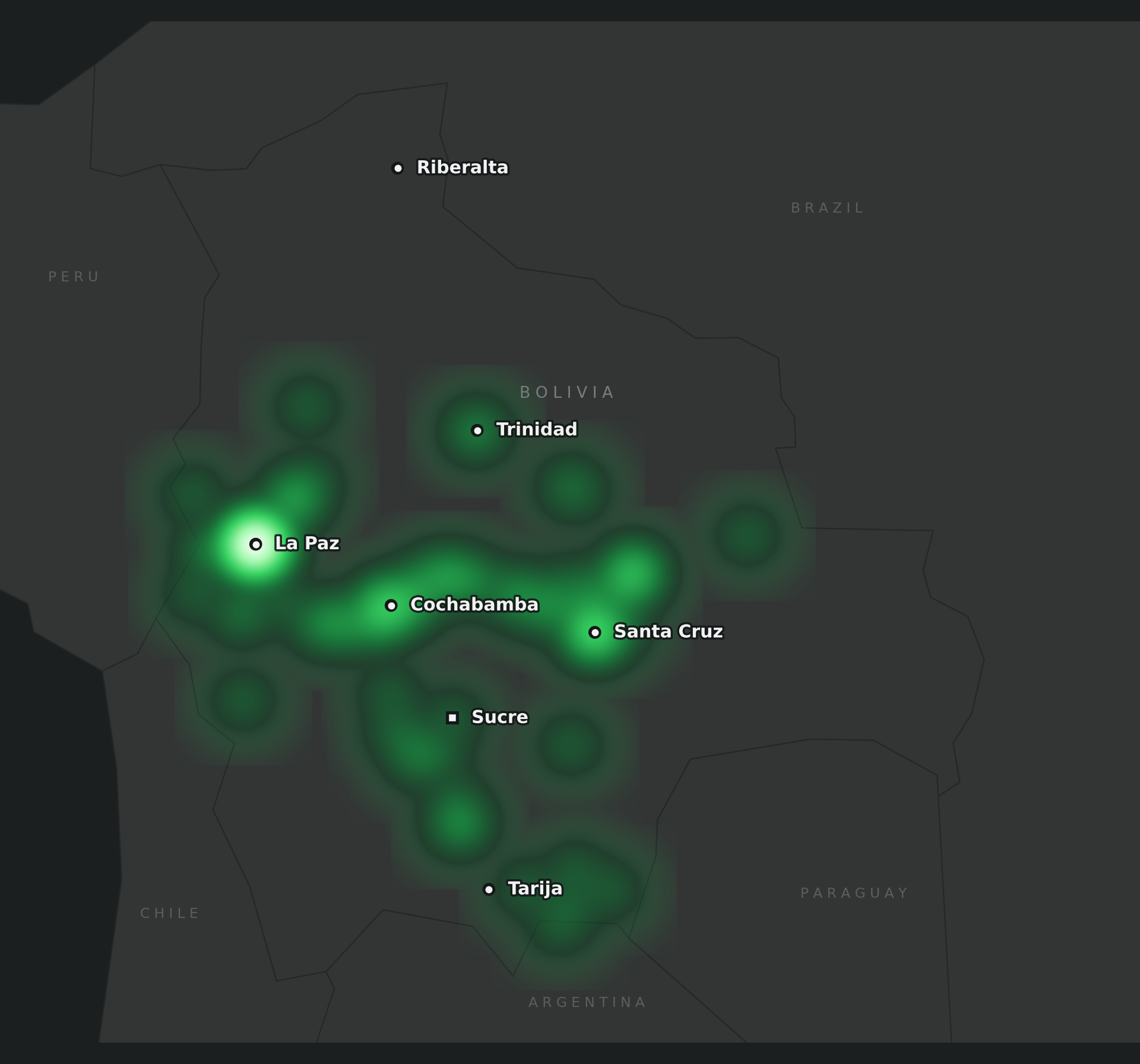
Heatmap of Verified Unrest Events in Q2

180%

surge in unrest events compared with Q1

172%

rise in unrest events from April to May

94

blockades reported in the first two weeks of June

8 out of 9

departments affected by blockades

Disruption began to subside in mid-June, after the government secured an agreement with the Bolivian Workers' Central (COB), the main trade union federation, to suspend blockades nationwide. While the agreement significantly reduced the likelihood of a return to coordinated nationwide disruption by fracturing the opposition coalition, the structural drivers of the crisis remain unresolved. Fuel shortages are expected to sustain cyclical unrest through the end of 2026, with fragmented, localized, and sector-specific demonstrations.

Indonesia: Student-led protests

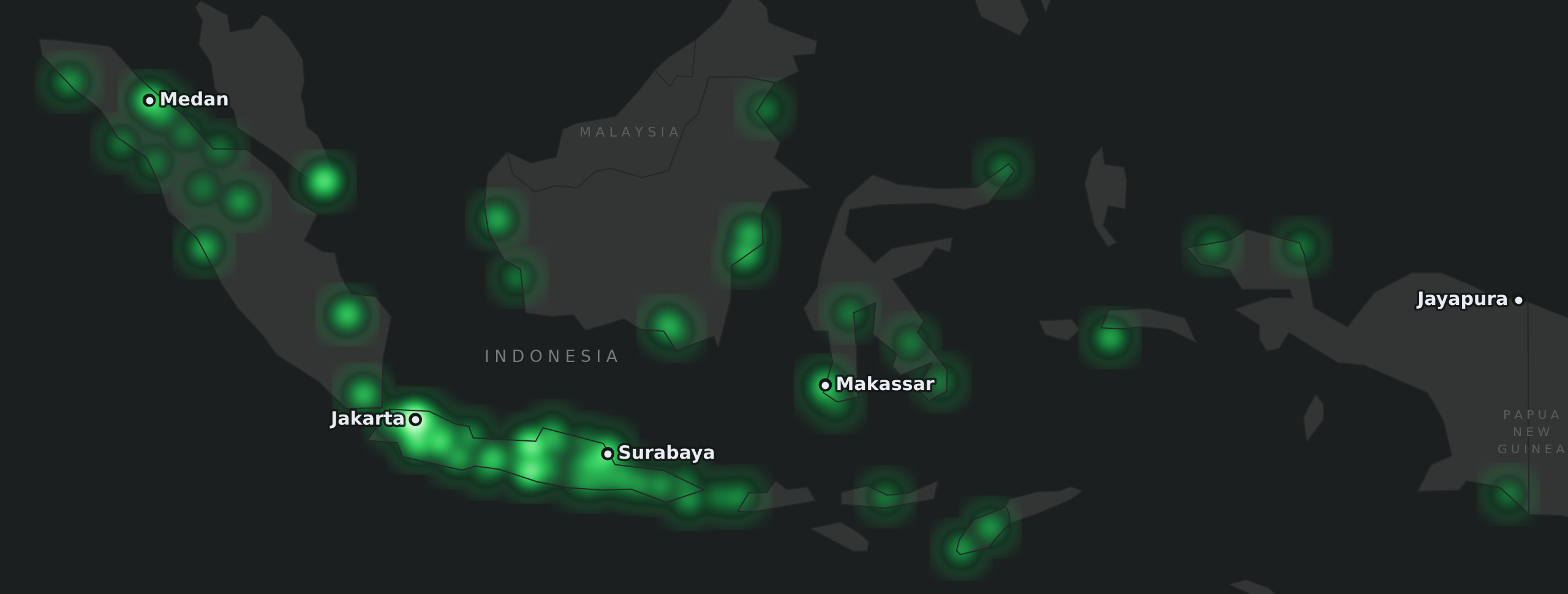
In Indonesia, verified unrest events increased 1.7 times in Q2 2026 compared with Q1, primarily driven by a surge in student-led protests in mid-June. Rising global oil prices amid the US–Iran conflict resulted in a 32% rise in non-subsidized fuel prices on 10 June, and the depreciation of rupiah against the US dollar to a record low in June. These factors triggered nationwide protests calling for lower fuel prices and stronger measures to stabilize the economy.

The mass demonstrations initially involved members of the public on 11 June before evolving into student-led protests targeting policies implemented by President Prabowo Subianto's administration. Protesters alleged corruption in government initiatives, including the Free Nutritious Meals (MBG) program. Most student-led protests were recorded on the island of Java, predominantly in Jakarta, Surabaya, Yogyakarta, and Semarang, with protest activity peaking between 15 and 18 June. While most demonstrations remained peaceful, a protest in Surabaya on 26 June turned violent after protesters threw firecrackers and vandalized the Grahadi State Building, resulting in 24 arrests.

Demonstrations in support of the Free Nutritious Meals (MBG) program emerged approximately one week after the onset of the student-led protests, organized mainly by volunteers and partners of the MBG program. Pro-MBG rallies were concentrated in Central Jakarta and drew hundreds to thousands of participants.
Unrest events in Indonesia · Q1-Q2, monthly
Student-ledPro-MBGOther05010015020025080Jan2046Feb56Mar1949Apr95May1043571Jun
Heatmap of Student-led Protests in Indonesia, June 2026

The student-led protests are highly unlikely to drive regime change or threaten political stability and are unlikely to evolve into a large-scale movement without support from labor unions and Islamic organizations. Although the government introduced an economic stimulus package on 22 June, nearly 70% of the measures comprise food assistance, offering only short-term relief without addressing underlying structural issues. Consequently, Indonesia is likely to face delayed reforms, weakening policy credibility, and recurring protests over the rising cost of living and unemployment if the government continues to contain household economic pressures rather than address employment and governance issues.

Notable verified events

28 analyst-verified events from across the world this quarter, by region. Numbers on each map correspond to the list.

Americas

1
Haiti: 26 AprilCrimeCity
In Port-au-Prince, Ouest department, a Belgian aircraft was shot at during a United Nations operation to transport around 80 soldiers from Chad to Haiti; no casualties were reported.
2
Chile: 14 MayUnrestAsset/Building/Business
On Alameda Libertador Bernardo O'Higgins Avenue in Santiago, Metropolitan Region, students marched against the 'Escuela Protegida' Law, which aims to increase school safety through backpack checks, and against education budget cuts; police dispersed the protesters with water cannon and tear gas.
3
United States: 26 AprilTerrorismAsset/Building/Business
At the Washington Hilton, Washington, DC, a gunman ran past a security checkpoint and exchanged fire with officers during the 111th White House Correspondents’ Association Dinner, hitting a Secret Service agent. The attacker was arrested and charged.
4
Ecuador: 17 JuneCrimeAsset/Building/Business
At José Joaquín de Olmedo International Airport (GYE) in Guayaquil, Guayas Province, gunmen killed the leader of Los Águilas crime group in El Triunfo canton and injured another person in a targeted shooting. Police arrested two suspects and seized two firearms.
5
Bolivia: 18 MayUnrestStreet/Neighborhood
Near Murillo Square, La Paz, anti-government protesters clashed with security forces for four hours, leaving at least 14 people injured, including police officers and three journalists. Use of tear gas and dynamite cartridge detonations were reported.
6
Colombia: 25 AprilTerrorismStreet/Neighborhood
Near El Puente sector in Cajibío, Cauca department, suspected FARC dissidents threw an explosive device at a bus on the Panamerican highway, damaging several vehicles; at least 19 people were killed and 48 others were injured.
123456

Africa

1
Burkina Faso: 14 AprilConflict/MilitaryState/Province
In Soum province, Sahel region, army aircraft targeted Islamist extremist insurgents preparing attacks, destroying pickup trucks, ammunition, and fuel. More than 100 insurgents were reportedly killed, and more than 50 rifles and machine guns seized.
2
Mali: 25 AprilConflict/MilitaryCity
In Kidal city, suspected JNIM Islamist militants and Azawad Liberation Front (FLA) Tuareg fighters launched a massive coordinated attack on the town, killing dozens of soldiers and taking others hostage. FLA fighters claimed to have taken control of swathes of the town, including the military base and the governor's residence.
3
Chad: 4 MayConflict/MilitaryState/Province
On Barka Tolorom island in the Lake Chad area, Lac region, Boko Haram militants attacked a military post, killing at least 23 security force soldiers and injuring 26 others.
4
Somalia: 11 JuneUnrestStreet/Neighborhood
In Abdiaziz, Mogadishu city, federal troops used live ammunition to disperse civilians protesting forced evictions and demolition of their houses, while protesters pelted stones at security forces.
5
Niger: 18 JuneTerrorismAsset/Building/Business
In Niamey, JNIM Islamist militants attacked Diori Hamani International Airport (NIM) at around 06.00 with gunfire and explosives; 11 soldiers, two civilians and 22 assailants were killed, about 20 suspects were arrested and damage to aircraft was reported.
12345

APAC

1
Indonesia: 17 JuneUnrestStreet/Neighborhood
In Sukarame Baru, North Labuhan Batu Regency, North Sumatra, residents looted, torched, and destroyed at least seven offices and dormitories of oil palm company PT Agrinas Palma Nusantara after a worker was allegedly killed by the company's supervisory and security personnel.
2
Afghanistan: 9 JuneUnrestStreet/Neighborhood
In Herat City, Herat Province, Taliban security forces opened fire on protesters, killing two and injuring 30 others in the Jibrail area, during a demonstration against the detention of women accused of violating Islamic dress codes.
3
Japan: 25 MayCrimeAsset/Building/Business
In Ginza, Tokyo, an unidentified assailant sprayed an unidentified substance inside a shopping mall, causing respiratory illness to about 25 people; the motive behind the attack remains unclear.
4
Pakistan: 24 MayTerrorismStreet/Neighborhood
At the Chaman Phatak area, Quetta, Balochistan, a car bombing claimed by the Balochistan Liberation Army (BLA) targeting an incoming shuttle train killed at least 24 people, including three Frontier Corps personnel, and injured 70 others; several residential buildings were also damaged.
5
Myanmar: 25 AprilConflict/MilitaryCity
In Falam town, Chin State, regime forces claimed to have attacked and recaptured the town and Surbung Airport from Chin resistance forces; the Chin National Defense Force (CNDF) declined to comment on the claim.
12345

Europe

1
Monaco: 29 JuneTerrorismStreet/Neighborhood
In Rue Reverend-Pere-Louis-Frolla, Monaco, an unknown suspect detonated a homemade explosive device in a backpack in the street; three people were injured in the suspected terrorist attack.
2
Germany: 29 JuneCrimeStreet / Neighborhood
In Dankersstrasse, Stade, Lower Saxony, an assailant opened fire, killing at least five people and injuring several others; police have detained two suspects, including the alleged shooter. The motive remains unclear.
3
Russia: 18 JuneConflict/MilitaryAsset/Building/Business
In the Kapotnya District of Moscow, Ukrainian drone strikes caused large fires at the Moscow Oil Refinery for the second time in three days, according to Russian sources; Russian forces claimed to have shot down 194 drones bound for Moscow.
4
Ukraine: 15 JuneConflict/MilitaryAsset/Building/Business
In the Pecherskyi district of Kyiv city, Kyiv region, Russian drone and missile attacks damaged the roof of the Dormition Cathedral on the grounds of the Kyiv Pechersk Lavra monastery.
5
Belgium: 12 MayUnrestStreet/Neighborhood
In Brussels, around 75,000 people marched from Boulevard Roi Albert II to the Gare du Midi train station to denounce the federal government's reforms and its inaction on energy prices.
6
Hungary: 12 AprilUnrestCity
In Budapest, tens of thousands of people took to the streets to celebrate the preliminary election results of 12 April; the Tisza party secured two-thirds of seats in parliament.
123456

MENA

1
Kuwait: 3 June 2026Conflict/MilitaryAsset/Building/Business
At Kuwait International Airport (KWI) in Kuwait City, Iranian drone and missile strikes reportedly targeted Terminal 1, causing substantial damage to airport infrastructure, killing at least one person and injuring 63 others.
2
United Arab Emirates: 8 April 2026Conflict/MilitaryAsset/Building/Business
Falling debris from an intercepted missile caused a fire at the Habshan gas facility, Abu Dhabi Emirate, leading to the suspension of operations; three people were injured.
3
Lebanon: 26 June 2026UnrestStreet/Neighborhood
On the road leading to Beirut-Rafic Hariri International Airport (BEY), Beirut, Hizbullah supporters gathered to protest against an agreement signed between Lebanon and Israel that aims to secure a ceasefire and to disarm Hizbullah; arson and clashes with security forces were reported.
4
Oman: 4 May 2026Conflict/MilitaryCity
In the Thabit area, Bukha, a residential building for employees of an unspecified company was targeted by a suspected Iranian drone; two expatriate workers were injured and four nearby vehicles were also damaged.
5
Bahrain: 5 April 2026Conflict/MilitaryAsset/Building/Business
At the BAPCO oil refinery in Maameer, South province, a fuel tank caught fire after Iranian security forces targeted a storage facility with drones; casualties were not reported.
6
Iran: 27 June 2026Conflict/MilitaryCity
In Bandar Lengeh, Hormozgan province, four projectiles hit the area amid US strikes in southern Iran for a second consecutive day; the strike was confirmed by local media.
123456

What to watch in Q3 2026

July 2026

15 July 2026
Nationwide Renfe railway strike
Spain​ · Unrest > Strikes / Labor Unrest
The Railway Union (SF-Intersindical) has called a 24-hour strike across the entire Renfe network, following a stoppage on 29 June. The dispute centers on alleged non-compliance with previous agreements; opposition to the partial privatization of freight transport and logistics; and outsourcing maintenance. Around 320 trains were cancelled in the first stoppage, with minimum services for high-speed AVE, long-distance, and regional services. Similar disruption is expected on 15 July, which coincides with peak summer demand on key routes.
MediumTransportUnrest
19 July 2026
2026 World Cup Final
United States · Sporting/Cultural/Other
The FIFA World Cup Final is scheduled for 15.00 (local time) at MetLife/New York New Jersey Stadium in East Rutherford, New Jersey, in the New York Metro Area. US President Donald Trump is expected to attend. Significant security measures, road closures, and heavy congestion are expected around the venue. Large concentrations of rival fans are likely throughout major tourist areas in New York City.
MediumUnrestTransport
19 July 2026
Presidential Election
São Tomé and Príncipe · Political > Election
The ruling Independent Democratic Action (ADI) is well positioned to retain power despite an internal crisis. The ADI will likely benefit from its control of state institutions and parliamentary majority, while divisions within the main opposition Movement of São Tomé and Príncipe – Social Democratic Party (MLSTP-PSD) are likely to split their vote. Election day is likely to remain broadly peaceful, consistent with the country’s history, with only limited unrest.
LowUnrest
19 July 2026
ECOWAS Heads of State Summit
Sierra Leone · Geopolitical > Multilateral Meeting
The ECOWAS Heads of State and Government Summit takes place at the Lungi Conference Centre, near Freetown International Airport. Heads of state and other government officials from the 12 member states are expected to attend. The summit will discuss regional security, economic integration, and counter-terrorism cooperation in the Sahel. Security at the venue will be very strict, with security deployment across Freetown and Lungi, and road closures potentially leading to mild disruption and delays to transport in the vicinity.
LowTransport
27 July 2026
State of the Nation Address (SONA) 2026
Philippines · Unrest > Protests/Riots
President Ferdinand Marcos Jr. is scheduled to deliver his fifth SONA at the Batasang Pambansa Complex in Quezon City, Metro Manila, marking the opening of Congress. Opposition groups, labor unions, student organizations, left-wing coalitions and civil society groups are almost certain to stage the annual "People's SONA" protests along Commonwealth Avenue and around the Batasang Pambansa. Heightened security is likely across Quezon City. Localized clashes with security forces, isolated vandalism and brief road blockades are likely, particularly if protesters attempt to breach security perimeters.
MediumUnrestTransport

August 2026

5 August 2026
Protests for the Second Anniversary of the July Uprising
Bangladesh · Unrest > Protests/Riots
The 11-party opposition alliance plans nationwide demonstrations to mark the second anniversary of the July Uprising that ousted former prime minister Sheikh Hasina, to demand implementation of the July Charter, and to seek justice for those killed during the uprising. Rallies are planned across the country, including in the capital, Dhaka. Police are likely to use force to disperse or arrest protesters in the event of clashes. Heightened security measures are likely, as is localized traffic disruption near protest sites.
MediumUnrestTransport
13 August 2026
General Election
Zambia · Political > Election
Incumbent Hakainde Hichilema is likely to win the presidential poll as leader of the ruling United Party for National Development (UPND). Despite lingering socioeconomic pressures and persistent opposition criticism, the ruling party retains a clear advantage given a fragmented opposition, its continued reformist credibility among urban and international constituencies, and voters’ preference for macroeconomic stability following debt restructuring and engagement with external partners.
LowUnrest
14 August 2026
Independence Day
Pakistan · Holiday
Pakistan celebrates Independence Day on 14 August. Heightened security will be in place for official celebrations. Pakistan Tehreek-e-Insaf (PTI) is likely to stage protests or symbolic action in support of former prime minister Imran Khan; these are likely to face a firm state response, including arrests, route denials and localized mobile or internet restrictions. Clashes between PTI supporters and security forces are a risk in Punjab and Islamabad. There is a threat of a militant attack, particularly in Khyber Pakhtunkhwa or Balochistan.
LowUnrestTransport
26 August 2026
Mawlid
Various · Holiday
Mawlid is a religious holiday that celebrates the birth of the Prophet Muhammad. It is celebrated as a public holiday in all Muslim-majority countries except Saudi Arabia and Qatar, and as a regional holiday in countries with large Muslim minorities. Government offices and businesses are likely to be closed and large public celebrations in urban centers will cause significant transport disruption. The exact date is determined by the Islamic calendar. Shia communities celebrate Mawlid approximately one week after Sunni communities.
LowTransport
24 – 28 August 2026
National healthcare workers’ strike
Paraguay · Unrest > Strikes/Labor Unrest
Healthcare workers represented by the National Medical Union (Sinamed) have announced a nationwide strike across the public health sector to demand salary adjustments. During the strike, emergency and urgent medical services are expected to remain operational, while routine consultations and scheduled surgical procedures are likely to be suspended or postponed. Pressure on emergency departments is likely. There is a risk of further demonstrations should the government not meet demands.
LowUnrestHealth
29 August 2026
Referendum on EU membership negotiations
Iceland · Political > Election
Iceland will hold a referendum on whether to resume EU membership negotiations. Polling points to support for EU membership prevailing by a slim margin. Iceland originally applied for EU membership in 2009 amid a financial crisis but froze talks in 2013 following a dispute over fishing policy. It formally withdrew its application in 2015. Public demonstrations especially in the capital Reykjavik are likely in the weeks ahead of the referendum. These will be most likely peaceful, causing minimal disruption.
LowUnrest
30 August 2026
General Elections
Haiti · Political > Election
Haitians are set to elect the presidential, legislative and local representatives, with a possible presidential run-off on 6 December. However, the country lacks the capacity to ensure security and transparency. The deteriorating security environment will remain the primary barrier to holding elections, making them highly likely to be postponed again.
HighUnrest

September 2026

13 September 2026
Parliamentary Elections
Sweden · Political > Election
Polling ahead of elections for members of the Riksdag (parliament) suggests that the center right bloc, led by the Moderate Party and its traditional allies, is narrowly favored to retain power. The campaign is set to be shaped by debate over the center-right’s willingness to co-operate with the far-right Sweden Democrats, which has previously been excluded from formal coalition arrangements. Limited demonstrations are likely in Stockholm and other large cities in the run-up to the vote.
LowUnrest
14 September 2026
First Bangsamoro Parliament Election
Philippines · Political > Election
The first parliamentary elections in the Bangsamoro Autonomous Region in Muslim Mindanao (BARMM) in southern Philippines are scheduled for 14 September and will test whether the region’s imperfect peace process further consolidates. Localized disruption is likely in the BARMM during the campaign period, running from 30 July, including politically motivated violence, attacks targeting candidates or supporters, and movement restrictions around public schools, which will function as polling areas.
HighUnrest
18 – 20 September 2026
Parliamentary Elections
Russia​ · Political > Election
The 450 members of the State Duma (lower chamber) will be elected. The vote will almost certainly be tightly controlled and reaffirm control of the pro-Kremlin United Russia over the Duma, with a minority of seats going to parties similarly loyal to the Kremlin. The likelihood of public unrest associated with the elections is low, but the authorities will step up vigilance around the voting period, possibly with restrictions on gatherings in public places and internet shutdowns.
LowOfficial ActionsUnrest
21 September 2026
Yom Kippur
Israel · Holiday
Yom Kippur (Day of Atonement) is an important Jewish holiday that centers on the themes of atonement and repentance. Many businesses are likely to shut down or operate on reduced hours. Protests and rallies are possible, in which case, transport disruption will be likely, especially in urban areas.
LowTransport
23 September 2026
Parliamentary Elections
Morocco · Political > Elections
Elections for the 395-member Chamber of Representatives take place under a multi-member proportional representation system. The ruling coalition, comprising the National Rally of Independents (RNI), the Authenticity and Modernity Party (PAM) and the Istiqlal Party, is likely to retain power, with the balance of power likely to shift in favor of PAM, as RNI leader Aziz Akhannouch will not seek another term as prime minister.
LowUnrest
26 September 2026
Anniversary of the September Revolution
Yemen · Holiday
September Revolution Day is a national holiday commemorating the anniversary of the overthrow of Imam Muhammad Al-Badr and the creation of the Yemen Arab Republic. Gatherings have taken place annually. The Houthi militia group has also cited the anniversary in their attacks. In 2021, Houthi militants targeted a gathering celebrating the anniversary of the September Revolution with rocket fire, killing 12 and injuring 22.
MediumUnrestConflict
27 September 2026
Legislative Election
São Tomé and Príncipe · Political > Election
The internal crisis within the ruling Independent Democratic Action (ADI) is likely to see power redistributed between the ADI and the opposition Movement of São Tomé and Príncipe – Social Democratic Party (MLSTP-PSD) at the legislative and local elections, with the presidential election largely shaping the direction this takes. Nevertheless, the elections are likely to pass off largely peacefully, with any unrest likely to be localized.
LowUnrest
8 – 28 September 2026
81st Session of the UN General Assembly (UNGA 81)
United States · Geopolitical > Multilateral Meeting
The 81st session of the UN General Assembly starts on 8 September 2026 at UN headquarters in New York City. The General Debate begins on 22 September, with heads of state and government convening. Stringent security measures are usually implemented around UN headquarters, including street closures, security checkpoints, and increased surveillance, leading to traffic disruption in Midtown Manhattan. The event is likely to attract activist groups, potentially leading to demonstrations and associated disruption in the vicinity.
MediumUnrestTransport

October 2026

4 October 2026
General Election
Brazil · Political > Election
Voters will elect the president, vice-president, Chamber of Deputies (lower house), two-thirds of the Senate (upper house) and state governors. President Luiz Inácio Lula da Silva will run for a fourth term. He is leading the polls alongside Senator Flávio Bolsonaro, son of former president (2018-22) Jair Bolsonaro. The presidential election is likely to be tight, with occasional bouts of unrest likely. A presidential (and state governors) run-off takes place on 25 October if no candidate takes more than 50% in the first round.
MediumUnrest

Decision advantage at the speed of escalation

See the signal before it escalates

Get the next Security Incident Report the day it publishes, and see how Seerist verifies events like these in real time.